When we sit down with a restaurant group in distress, the usual suspects come up quickly: rent, wages, energy, food inflation and the ATO. All of these matter. But there's one factor that is rarely talked about and it now sits at the table every night.
Some diners are simply less hungry than they used to be.
Weight loss medication is still a slightly awkward subject in hospitality. It's personal and medical, and it isn't comfortable to raise with customers. But from a restructuring point of view, a lasting change in how much people want to eat is a demand shift, and it needs to be planned for like any other.
The numbers are no longer niche
In Australia, UNSW researchers estimate that around half a million people are regularly using GLP-1 medicines, and almost half of them pay $200–$700 out of pocket to use them for conditions other than diabetes. Total sales rose from 58,000 in May 2020 to 500,000 in April 2025. The study excludes Saxenda and Wegovy, which are marketed purely for weight loss, so the researchers say these estimates should be treated as the absolute minimum level of Australian use. In the USA about one in eight US adults is currently taking a GLP-1 drug, according to KFF. Cornell research found that restaurant spending falls by an average of 8% within the first six months of use. Dinner traffic has fallen 6% among consumers taking the medication regularly. The UK is following a similar path, but from a lower base. IGD estimates about 6% of people were using weight loss medication by April 2026, almost double the share of the previous June. Almost a third of UK users say they visit restaurants less, rising to 43% for fast food, and many choose smaller portions or healthier dishes when they do eat out. A Worldpanel by Numerator study of more than 11,000 UK households found those with a GLP-1 user spent £418 less on groceries in the year after starting treatment, an estimated £780m nationally. Europe is earlier in the curve. ING estimates only about 2% of European adults use GLP-1s, reducing total food demand by about 0.25% today, but potentially cutting calorie intake by 2.5–3.5% by 2030 as cheaper oral versions arrive. For a venue whose margin depends on the second drink and the dessert, the drinks figure matters most. Across markets, alcohol, desserts and impulse items are the first things users drop.It's a change in how people spend, not only how much
The data isn't all negative, and this is where operators have something to work with. According to Circana, after a year on GLP-1 drugs, users' restaurant spending rises slightly, by 0.9% on average, after an initial dip in the first few months. Casual-dining spending by GLP-1 users rises by 4.1% on average after a year. These customers haven't stopped going out. They order differently. Between 50% and 60% of GLP-1 users share dishes or skip items to avoid too much food, which means a smaller bill. More importantly, 60% of the general population say they would favour restaurants that let them choose their portion size. So the question isn't whether this customer group will disappear. It's whether your menu is built to capture what they're willing to spend.On again, off again: demand that moves in cycles
One point often missed in the headlines is that GLP-1 use isn't a one-way street. Around half of users stop within the first year, because of cost, side effects or reaching a target weight. But Circana found that half of former users say they are likely to start again. For restaurants, that means demand that rises and falls rather than declining in a straight line. Cornell found the drop in spending is sharpest in the first six months, and after people stop, the effect becomes smaller and harder to separate from their old habits. Circana found some changes stick, such as buying more fresh produce, while drinks and frozen food purchases bounce back. In practice, the same customer may be a light eater one quarter and back to a full main and a glass of wine the next. As cheaper pill versions arrive, more people are likely to move on and off treatment, not fewer. That strengthens the case for flexible menus. A format that works for someone eating half as much, and for the same person when their appetite returns, is more resilient than betting on either extreme.Why small plates fit the moment
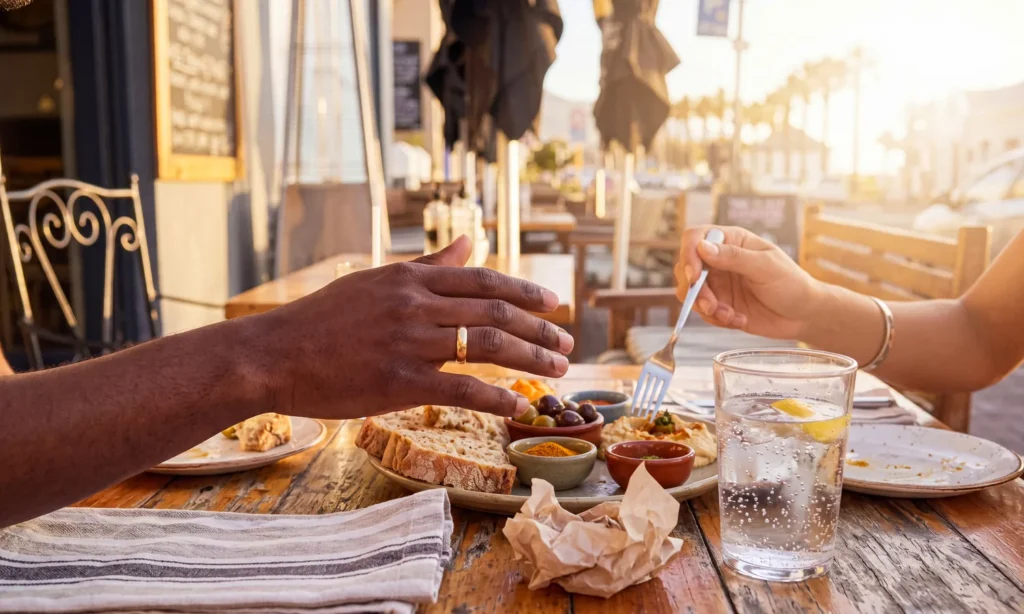
The industry is already heading this way. Technomic expects smaller portions, snacks and shareables to appear more often on menus, alongside dishes with added protein, fibre and functional benefits. In the US, Olive Garden rolled out a seven-item "Lighter Portions" menu nationwide in January, and P.F. Chang's began offering medium-sized portions last autumn. Tapas and small plates suit this shift for commercial reasons, not just culinary ones:- More ordering decisions per table. A diner who won't commit to a $42 main will often order two or three $16 plates. Each decision is another chance to sell.
- Stronger margin per plate. Smaller portions with premium ingredients and good presentation usually carry better gross margins than oversized mains.
- Less waste. Plates that come back half-eaten are paid-for food cost going in the bin. Right-sized portions reduce that directly.
- Mixed tables work. One guest can graze while another eats a full meal, and nobody feels awkward. Sharing formats make that easy.
- Built for changing appetites. The same menu serves a guest on treatment, off treatment or somewhere in between. Nobody has to order off a special menu or explain themselves.
- Protein-led and premium. GLP-1 users look for quality over quantity. Small plates make it easier to charge for provenance and technique rather than volume.
Why this matters now
Hospitality is already under strain. ASIC data for FY2025–26 shows 14,152 companies entered external administration or had a controller appointed for the first time, with accommodation and food services the second-largest category at 2,078 appointments, behind construction. In that environment, a slow decline in covers per head or average spend can be the difference between a business that adapts and one that ends up in a creditor meeting. The operators most at risk are those still pricing and portioning for how customers ate five years ago. From a turnaround perspective, a few points stand out:- Review average spend and items per cover by daypart. A quiet fall in dessert and drinks attachment is often the first sign.
- Model demand as a range, not a straight line. Cash flow forecasts should allow for customers moving on and off treatment.
- Test a small-plates or lighter-portions section before redesigning the whole menu.
- Remodel the drinks program. Non-alcoholic and low-sugar options are no longer a side issue.
- Build demand assumptions into lease negotiations and funding discussions. Lenders and landlords will ask about it sooner or later.
Olvera Reports
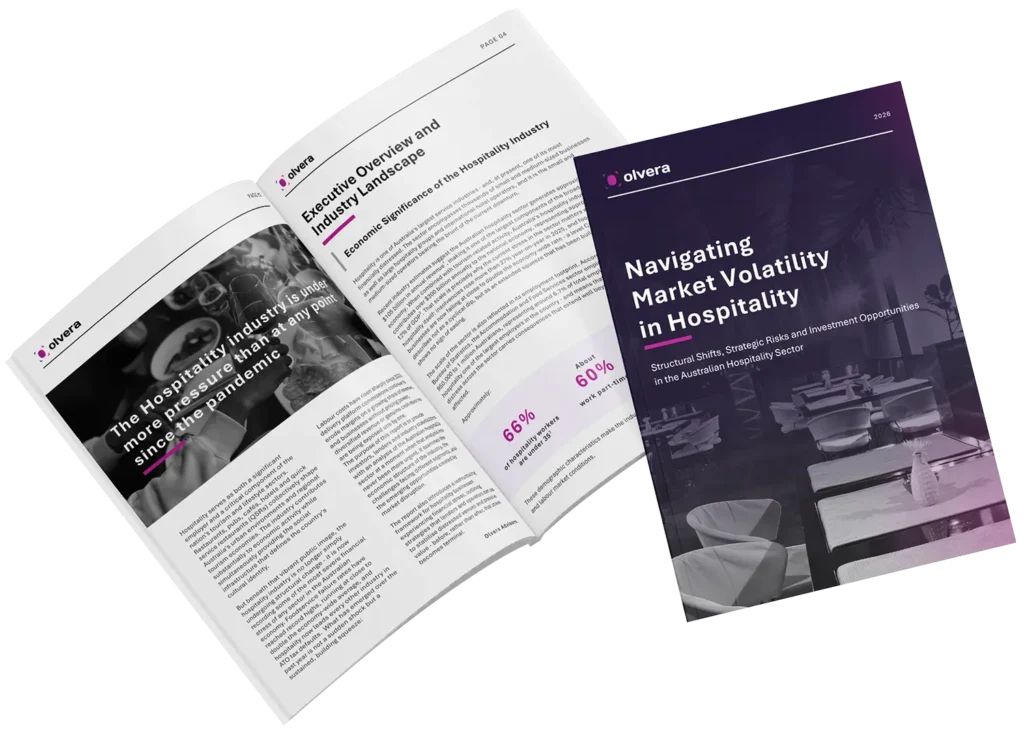
Navigating Market Volatility in Hospitality
Get the latest insights on the structural shifts, strategic risks and investment opportunities shaping the Australian hospitality sector.