Australia's industrial and transport sectors are at a structural inflection point. Manufacturing, mining, and freight and logistics together employ nearly 2 million Australians and contribute more than $560 billion in annual output. Yet the business models that sustained these industries for decades are under real pressure.
Energy volatility, decarbonisation costs, import competition, driver shortages, and shifting trade relationships are reshaping every segment. The pressures are no longer cyclical. They are structural.
 Manufacturing
 Employment in Australia’s manufacturing sector is led by the food and beverage industry, covering the processing of meat, dairy, beverages, grain and packaged foods. The sector faces sustained margin compression from energy cost volatility alongside labour shortages in regional processing facilities, import competition, and increasing capital demands from the energy transition.
The Ai Group Industry Index showed the sector remained in contraction through mid-2025, reflecting weak domestic demand and structural cost challenges. Agri-commodity price swings, biosecurity risks, and trade barriers continue to shape production economics, while currency fluctuations and anti-dumping measures add further complexity for operators exposed to global supply chains.
 Mining & Resources
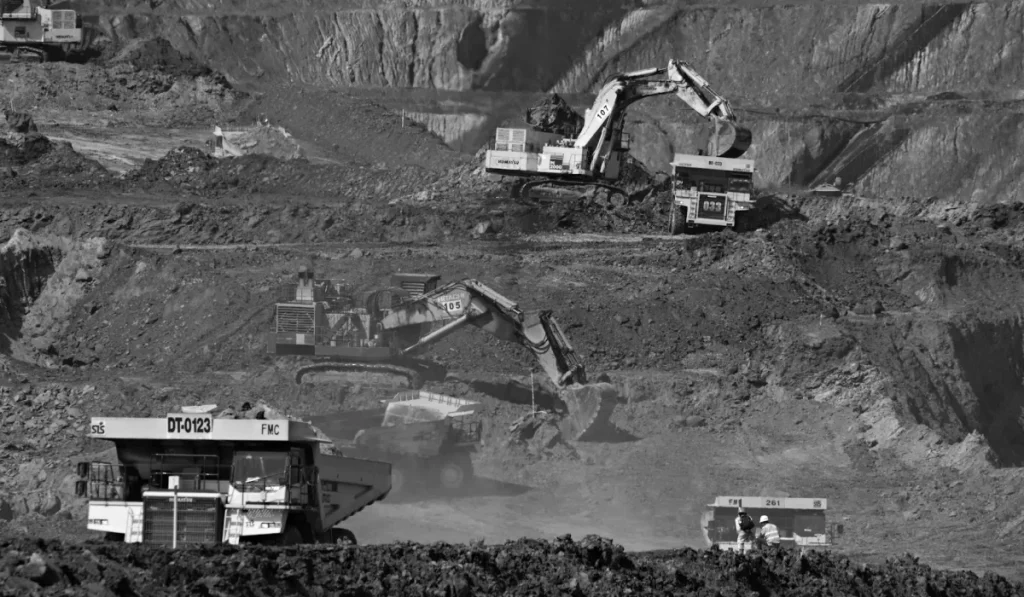
 The sector employs 314,800 people and continues to generate significant export revenue, but the operating environment has become more complex. Royalty rate changes, increased environmental and community obligations, and concentrated export exposure to China create sovereign and geopolitical risk dimensions that lenders and investors can no longer treat as secondary considerations.
Capital expenditure requirements for automation and decarbonisation are also increasing. These investments require careful financial management and governance, particularly for mid-tier and junior operators with limited balance sheet capacity.
 Transport, Postal & Warehousing
Australia’s freight and logistics operators are under strain from rising diesel and wage costs, driver shortages, and increased road access charges. Many also face supply bottlenecks, with OEM delays affecting vehicle parts and tyres, while rail operators grapple with capacity, reliability, and below-rail pricing pressures.
Port logistics remain strained by congestion fees, extended yard dwell times, and biosecurity inspection delays. Decarbonisation obligations are adding compliance and capital costs for logistics operators who have historically operated on thin margins. Businesses that fail to plan for these structural cost shifts face an accelerating erosion of viability.
We conduct a rapid diagnostic across operations to identify where margins are being eroded — from energy and input costs through to labour and freight. Our team builds a real-time cash and cost monitoring framework, implements index-linked pricing mechanisms where applicable, and develops energy and FX hedging strategies to protect profitability against market volatility. We identify clear stop, keep, and grow actions to concentrate resources on the highest-value activities.
We establish integrated forecasting and working capital management processes to improve cash visibility and reduce the risk of liquidity stress. This includes supplier and creditor term renegotiations, inventory and stock management reviews, and strategies to convert slow-moving assets into cash. For businesses with complex supply chains, we assess single-source dependencies and support diversification planning to build resilience against disruption.
We guide boards and management through Safe Harbour planning, lender engagement, and time-critical recovery processes. Our team advises on carve-outs, asset sales, and business restructures designed to stabilise cash and protect long-term operational value. Where formal insolvency processes become necessary, we manage the process in a way that maximises returns to stakeholders and preserves as much of the underlying business as possible.
With decades of combined restructuring and advisory experience, our team offers sound advice in all business scenarios.
We focus on maximising returns and planning for the best outcomes. With milestones and value-based billings, our goal is always to find the right solutions first.
Working in small teams, we believe in delivering creative, executable plans. Our team is highly resource-driven, utilising our vast networks whenever possible.
We see the people and potential behind the numbers. Our service is personable and long-term focused, with the right balance between financial and individual.



Neil Cussen, a leading authority in insolvency and restructuring, offers 35 years of experience, excelling in asset tracing, business recovery, and cross-border insolvencies.

Read about our successful client case studies.
Read our latest articles and insights on the world of business insolvency in Australia.
For most of the past three decades, energy was a line item Australian manufacturers managed quietly in the background. Cheap, abundant gas and coal-fired baseload ...
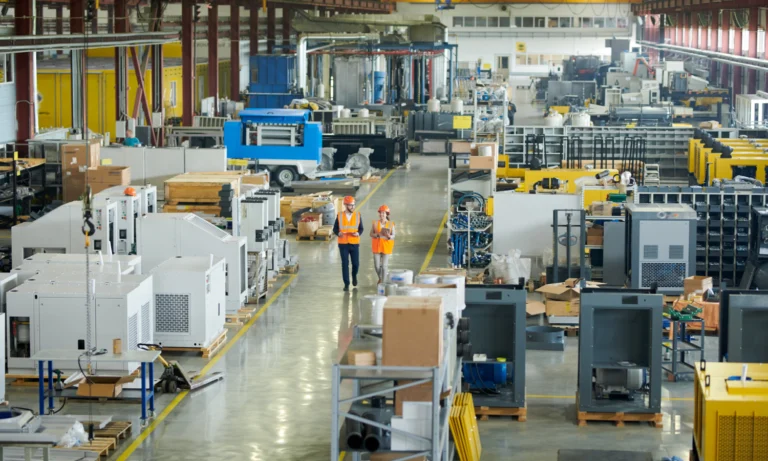
Australia’s industrial sector is entering one of the most profound periods of structural transition since the trade liberalisation reforms of the 1980s and 1990s. While ...
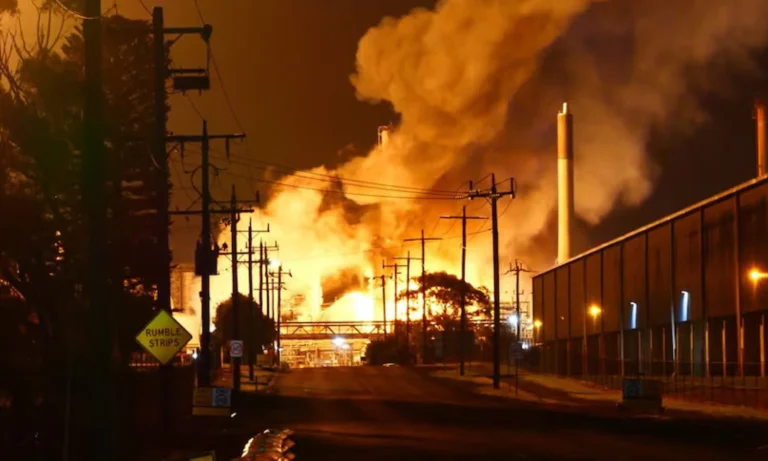
As the world grapples with the sharpest fuel disruption in half a century, Australia has been dealt another blow. Last week, a major fire broke ...