
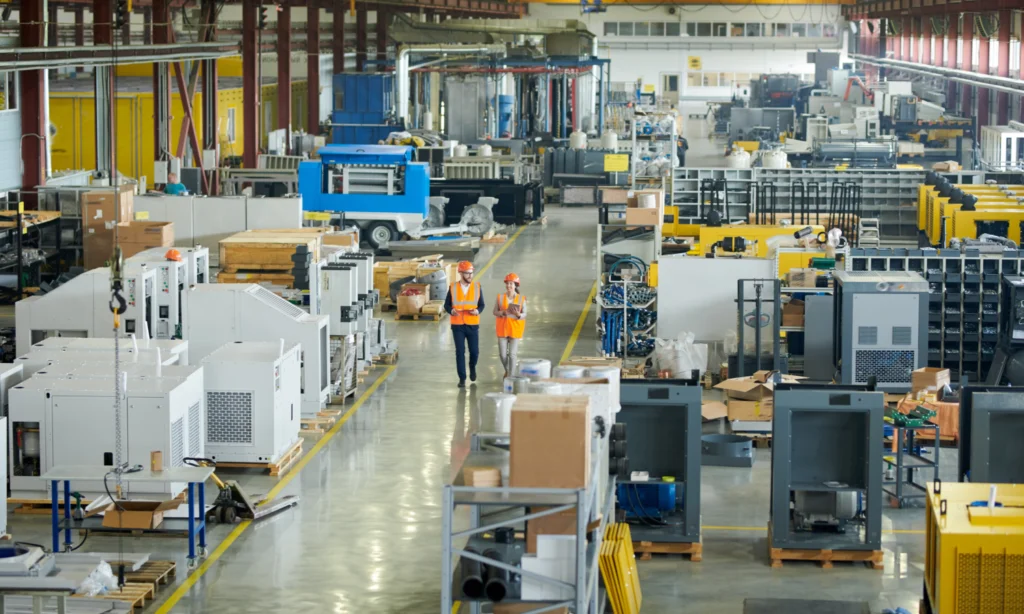
Australia’s industrial sector is entering one of the most profound periods of structural transition since the trade liberalisation reforms of the 1980s and 1990s. While the long-term decline of traditional manufacturing has gradually reduced the sector’s relative contribution to the economy, the next phase of industrial development will not be a simple continuation of the past. Instead, it will be reshaped by a combination of energy transition, shifting geopolitics, supply chain realignment, and rapid technological advancement.
These forces are creating new growth opportunities across parts of the industrial landscape. At the same time, they are introducing heightened execution risk, capital intensity, and financial stress for businesses unable to adapt at pace. From a restructuring and insolvency perspective, this transition is likely to drive increased complexity, earlier intervention requirements, and a more strategic role for Safe Harbour and balance sheet solutions.
From Traditional Manufacturing to Strategic Industrial Capability
For decades, Australia’s industrial sector competed directly with lower cost global manufacturing hubs, often relying on scale, labour cost efficiency, and commodity linked demand. That model has largely run its course. Labour costs, declining competitiveness in mass manufacturing, and globalisation pressures have already reshaped the sector.
The emerging industrial landscape looks markedly different. Rather than broad based manufacturing, Australia’s future industrial advantage is expected to be concentrated in areas where the country possesses entrenched structural strengths, including:
- access to natural resources
- deep engineering and technical capability
- stable regulatory and legal frameworks
- proximity to Asian growth markets
- strong institutional capital markets
This shift is already evident in the rapid expansion of industries connected to critical minerals, renewable energy infrastructure, defence manufacturing, logistics, and advanced engineering.
While these sectors offer compelling long-term growth prospects, they are also more capital intensive, technologically sophisticated, and operationally complex than the industrial models they replace.
Capital Intensity and Balance Sheet Pressure
A defining feature of the emerging industrial economy is the scale and duration of capital investment required. Projects and operating platforms in critical minerals processing, battery supply chains, clean energy infrastructure, and defence manufacturing often involve:
- significant upfront capex
- long development timeframes
- reliance on government policy certainty
- exposure to global commodity and technology cycles
For many businesses, balance sheets originally structured for a different operating environment are now under pressure. Rising interest rates, tighter credit conditions, cost inflation, and execution delays can quickly weaken liquidity profiles.
From a restructuring standpoint, this increases the likelihood of:
- covenant stress and refinancing risk
- capital structure mismatches
- funding gaps during construction or scale up phases
- heightened scrutiny from lenders and investors
In this environment, early engagement with restructuring options - rather than reactive insolvency - becomes critical to preserving enterprise value.
Policy Dependence and Execution Risk
Many of the fastest growing industrial sub sectors are closely linked to government policy, regulation, and procurement. Renewable energy targets, defence spending programs, and critical minerals strategies are central drivers of capital allocation.
However, policy driven growth introduces its own risks. Changes in incentives, planning regimes, approvals, or procurement timelines can materially affect project assumptions, cash flows, and valuations.
Businesses operating in these segments are therefore exposed to:
- timing mismatches between investment and revenue
- dependency on grant or off take certainty
- counterparty concentration risk
- heightened stakeholder scrutiny in distress scenarios
When projects or platforms encounter stress, restructuring pathways must account not only for financial creditors, but also for regulators, government agencies, joint venture partners, and strategic customers.
A New Restructuring Paradigm for Industrial Businesses
As the industrial sector evolves, so too does the nature of restructuring and insolvency. Traditional end of life liquidations are increasingly giving way to more nuanced interventions focused on value preservation, repositioning and continuity.
Key features of this new restructuring paradigm include:
- Safe Harbour planning to allow boards to pursue restructuring strategies while continuing to trade
- Balance sheet reengineering, including debt rescheduling, equity injections or asset carveouts
- Operational rationalisation, aligned to the realities of capital intensive industrial models
- Targeted divestments of noncore assets to fund core strategic capabilities
- Stakeholder led solutions, particularly where government or strategic off take partners are involved
In many cases, the objective is not to exit the sector, but to realign capital structures and operating models so businesses can participate sustainably in the next phase of industrial growth.
Implications for Boards, Lenders and Investors
For boards and management teams, the transition underway in the industrial sector raises governance expectations. Early recognition of stress, disciplined capital allocation, and proactive engagement with advisors are increasingly essential to Safe Harbour compliance.
For lenders and investors, the challenge lies in distinguishing between cyclical pressure and structural misalignment. While some businesses are well positioned to benefit from longterm tailwinds, others may face diminishing relevance or unsustainable capital demands without intervention.
Insolvency and restructuring processes, when executed early and strategically, can act as a reset mechanism, preserving value for stakeholders and allowing viable industrial businesses to adapt to a changing operating landscape.
Looking Ahead
Australia’s industrial sector is not in decline; it is in transition. The industries driving future growth are fundamentally different from those of the past, demanding greater capital, deeper technical capability, and more sophisticated financial structures.
This environment is likely to produce both winners and casualties. For those facing stress, the path forward will increasingly lie not in reactive enforcement or terminal insolvency, but in structured, forward looking restructuring solutions that recognise the sector’s evolving dynamics.
In this period of transformation, the ability to navigate complexity, manage capital, and preserve value will be as critical to industrial success as engineering expertise or market access.