
Retail turned the gift card into a strategic engine. Hospitality still treats it as an afterthought, and leaves money, data, and goodwill on the table.
There is a quiet irony in hospitality. We are the industry whose entire purpose is to give, to extend warmth, generosity, and a sense of occasion to strangers, and yet we have been remarkably clumsy with the one product designed expressly for giving.
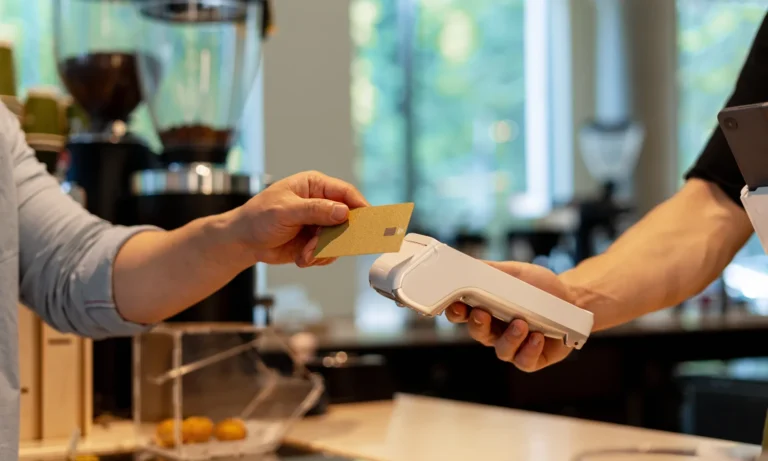
The gift card sits at the till as a laminated voucher pulled out when a guest asks, rather than a deliberately designed instrument of growth. Retail worked this out a decade ago. Hospitality, for the most part, has not.
This matters because a gift card is not really a payment method. It is a financial product, a marketing channel, and an introduction service folded into one. Understood properly, it does three things no other single tool achieves, it brings cash forward, it recruits new customers at the expense of the buyer, and it generates a stream of intent data about who is celebrating what, and when.
The economics nobody talks about
Start with cash flow. A gift card is, in accounting terms, a small interest-free loan from your guest to your business. They pay today; you deliver later, sometimes much later, sometimes never. That delay is genuine working capital, and in a sector defined by thin margins and seasonal troughs, capital that arrives in December for a meal redeemed in March is quietly valuable.
Then there is breakage, the industry’s most awkward term for the portion of gift cards that are never redeemed. A meaningful percentage of every gift card sold is simply never used, lost, forgotten, or left with a few dollars of trailing balance.
It should never be the goal, a redeemed card brings a guest through the door, which is the entire point, but breakage it is a structural reality that makes the gift card economically forgiving in a way few hospitality products are.
Acquisition, paid for by someone else
The strategic heart of gifting is this when a guest buys a gift card, they are usually buying it for someone who has never visited you. They are spending their own money to deliver a new customer to your door, pre-sold by a person that customer already trusts. No advertising channel comes close to that endorsement. The recipient arrives with intent, a recommendation, and a balance to spend, and they almost always spend beyond it. The card is the introduction; the relationship is the asset you build once they are seated.
This reframes the entire question of where gift cards belong. They should not be hidden behind the register. They should be merchandised, packaged, and timed, around the calendar moments when people are actively searching for a way to give: end-of-year, Mother’s and Father’s Day, Valentine’s, birthdays, corporate thank-yous, and the long tail of “I owe someone a dinner.”
From voucher to experience
The most forward venues have stopped selling stored value and started selling occasions. A gift card for “$100” is a number. A gift card for “the chef’s table for two” or “a Sunday long lunch” is a story, and stories command higher prices, higher redemption rates, and far higher emotional resonance. Digital delivery has removed the last friction. A card can now be bought at 11pm, personalised, and delivered to a phone in seconds, capturing the impulse exactly when the giver feels it.
Designing the gifting programme well means attending to details that signal care:
- Make it beautiful. The presentation of the card is the presentation of your brand, in the hand, in the inbox, and in the unboxing.
- Sell experiences, not balances. Named occasions convert better and feel more generous than a dollar figure.
- Remove friction from buying. Digital, instant, mobile-first, and available the moment the impulse strikes.
- Capture the data. A gift purchase tells you who celebrates, what they value, and when to invite them back, use it.
- Honour the redemption. The recipient’s first visit is a trial of your hospitality; treat it as the audition it is.
The deeper point
Gifting is not a peripheral revenue line to be optimised; it is hospitality expressing its own logic through a financial instrument. The act of giving a meal, an evening, an experience to someone you care about is precisely the emotion our industry exists to serve.
The venues that win are the ones that recognise the gift card not as a transaction to be processed, but as a relationship to be designed, generous in its presentation, intelligent in its economics, and unmistakably theirs.
Damien Hodgkinson is also so the Chairman of Best Gift Group which operates the Best Restaurants gift card across Australia and New Zealand.
Olvera Reports
Navigating Market Volatility in Hospitality