Overview
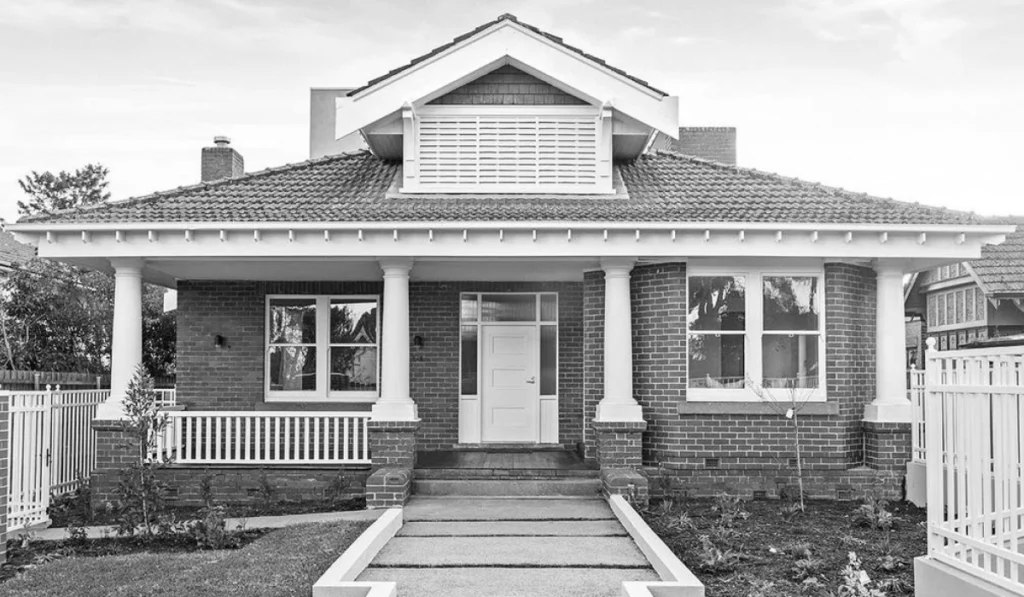
WPG 221 Burke Road Glen Iris Pty Ltd was the developer behind an 11-apartment residential development at 221 Burke Road, Glen Iris, Victoria, situated approximately 10 kilometres south-east of the Melbourne CBD. The three-level project includes a single basement car park and incorporates the partial retention of an existing heritage-listed dwelling on site.
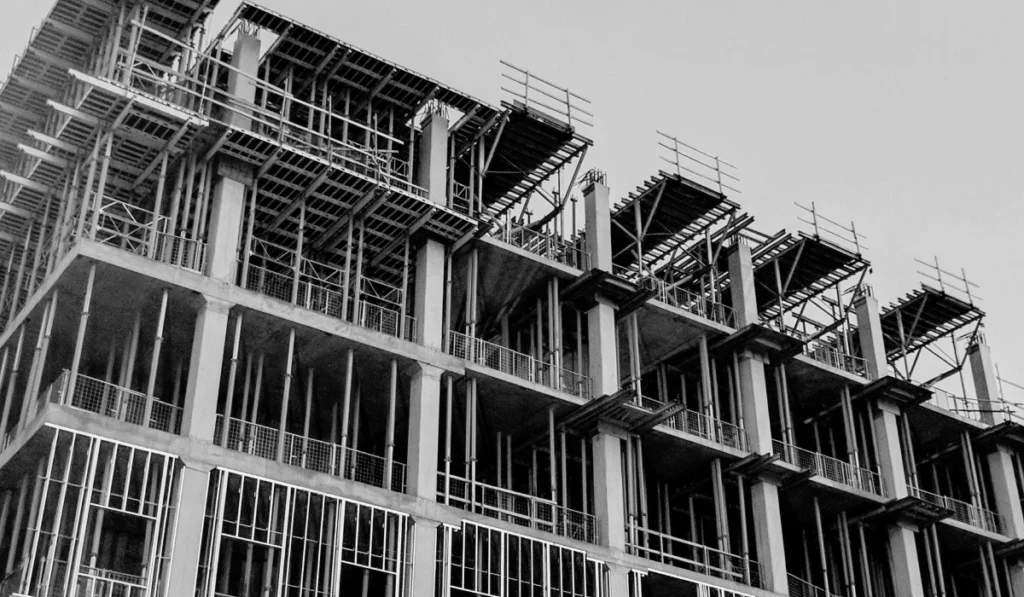
The secured creditor had advanced approximately $8 million to the project. At the point of our appointment on 28 March 2024, construction was approximately 70% complete and the project was facing subdued demand for its product, requiring a considered approach to both completion and sales strategy.
Challenges
- Partially Complete Development: With construction at 70% completion, the Receivers inherited a project mid-build, requiring an immediate and detailed assessment of what remained to be done, at what cost, and within what timeframe, before any path forward could be confirmed.
- Subdued Market Demand: Weaker-than-expected demand for the product at the time of appointment meant that the marketing and sell-down strategy needed to be actively managed and regularly refined in response to evolving market conditions.
- Heritage Constraints: The partial retention of a heritage-listed structure on site introduced additional regulatory and design considerations to the completion works, requiring careful coordination with heritage consultants and relevant authorities.
- Cost and Timeline Control: Completing a partially built development under receivership requires disciplined cost management and close contractor oversight to prevent budget overruns that would erode the secured creditor's recoverable position.
- Secured Creditor Reporting: Maintaining transparent, regular communication with the secured creditor throughout a multi-stage engagement of this nature required structured reporting disciplines alongside the day-to-day demands of construction and sales management.
Our Approach
Following appointment, the Receivers conducted a thorough review of the quantity surveyor's report to assess the current status and progress of the development, and to establish a clear picture of costs to complete, outstanding works, and key risks.
A construction management strategy was formulated, focusing on critical works, timeline optimisation, and cost control through staged supervision. Weekly tracking meetings were established with the builder, architect, quantity surveyor, and key consultants to maintain momentum, resolve on-site issues promptly, and keep the program on track.
Concurrently, the Receivers developed and oversaw a marketing campaign for the remaining units, refining the sales strategy regularly in response to market feedback and demand trends to ensure the sell-down achieved the strongest possible outcome within prevailing conditions.
Throughout the engagement, the Receivers maintained timely and structured communication with all key parties, including the builder, architect, quantity surveyor, consultants, and the secured creditor.
Results
Construction has been completed and the sell-down of remaining units is progressing positively. Marketing strategies have been refined regularly in response to market feedback and demand trends, and the engagement is delivering a significant return to the secured creditor.
This is an ongoing engagement, with sales continuing to progress toward full realisation of the development.
Key Drivers of Success
- A thorough upfront review of the quantity surveyor's report established a clear, evidence-based foundation for the construction completion strategy, enabling disciplined cost and timeline management from the outset.
- Weekly construction tracking meetings maintained accountability across all contractors and consultants, keeping the project on schedule and within budget through to completion.
- An adaptive, market-responsive sales strategy ensured the sell-down remained competitive despite subdued demand conditions, progressively realising value for the secured creditor.