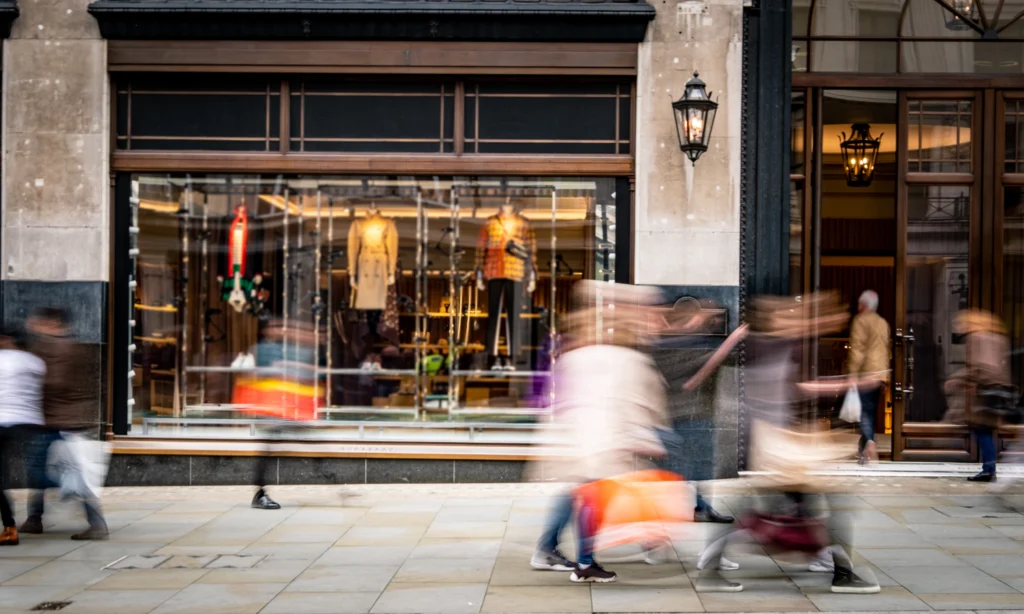
For decades, shopping centres were built around a simple formula: maximise foot traffic, optimise tenant mix, and drive sales per square metre. Retailers filled the space, consumers transacted, and landlords captured value through long-term leases.
That model is now undergoing a fundamental transformation. As e-commerce continues to absorb transactional retail, physical spaces are being forced to evolve. Shopping centres are no longer just places to buy products; they are becoming destinations for experience, engagement, and community.
This shift is structural rather than cyclical, and it is redefining the role of physical retail in Australia.
The Decline of Transactional Retail Space
The traditional function of a store, to hold inventory and facilitate purchase, has been steadily eroded by digital convenience. Consumers can now access a wider range of products, often at lower prices and with faster delivery, without needing to visit a physical location.
This has fundamentally changed the role of the store. For many retail categories, particularly fashion and general merchandise, the physical location is no longer the final step in the purchase journey. Instead, it has become one touchpoint within a broader, multi-channel experience.
Retailers that continue to treat stores as purely transactional environments are seeing declining foot traffic, weaker conversion rates, and increasing pressure on store profitability. The economics of traditional retail space are no longer supported by consumer behaviour.
The Emergence of Experiential Retail
In response, retailers are rethinking what a physical store is meant to deliver. Think Selfridges in London and Takashimaya in Tokyo.
Experiential retail represents a shift from transaction to interaction. Stores are increasingly designed to create emotional engagement, reinforce brand identity, and provide experiences that cannot be replicated online. The objective is not simply to sell products, but to build deeper, more memorable relationships with customers.
Walk into any Nestle store to buy coffee pods, and you can sit at their coffee bar sampling their latest blends.
This is evident in the evolution of flagship stores and premium retail environments, where physical spaces are being used to showcase brand narratives, host events, and provide personalised services. Elements such as interactive displays, in-store activations, and hospitality-style offerings are becoming more common, all aimed at increasing dwell time and encouraging repeat visitation.
In this model, success is no longer measured solely by immediate sales, but by the strength of customer engagement and long-term brand equity.
The Reinvention of The Retail Ecosystem
The transformation extends beyond individual retailers to the structure and purpose of shopping centres themselves.
Landlords and developers are actively repositioning retail assets away from traditional, store-heavy formats toward more diversified, mixed-use environments. Shopping centres are increasingly incorporating dining, entertainment, wellness services, and even residential or office components, creating spaces that integrate more seamlessly into consumers’ daily lives.
This reflects a broader shift from retail centres to lifestyle destinations. The goal is to create environments where people choose to spend time, rather than simply complete transactions.
Malls are no longer a collection of competing brands, they are curated brand experiences grouping similar offerings and price points to capture greater “weidan shopping with intent”.
At the same time, the economics underpinning retail space are evolving. Traditional fixed-rent, long-term lease structures are being challenged by more flexible arrangements, including turnover-linked rents and shorter lease durations. These models better align landlord and tenant interests, particularly in an environment where sales performance is less predictable.
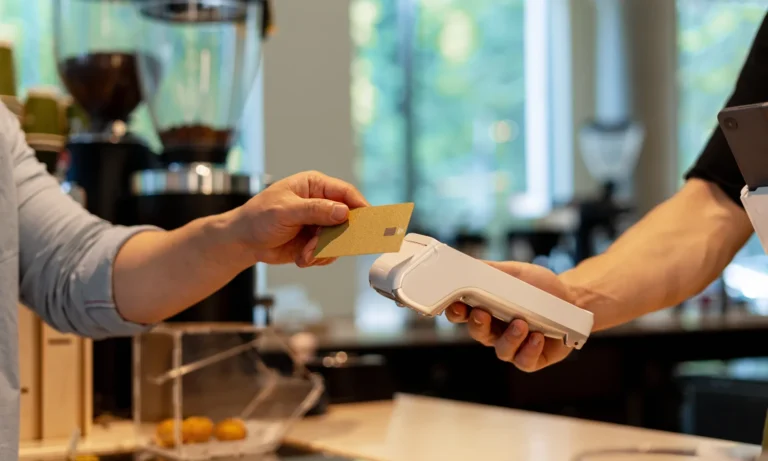
Technology is also playing a critical role in enabling this transition. Retailers are increasingly integrating digital capabilities into physical environments, using data to personalise in-store experiences, streamline customer journeys, and connect online and offline channels. Features such as click-and-collect, seamless returns, and app-based engagement are no longer differentiators but baseline expectations.
This convergence of physical and digital retail allows stores to remain relevant, not as isolated sales channels, but as part of a broader, integrated ecosystem.
Key Takeaways: A Structural Reset in Physical Retail
The rise of experiential retail signals a broader structural reset in how physical retail operates and creates value.
For retailers, the implications are significant. Store networks can no longer be justified purely on sales volume; each location must serve a clear strategic purpose, whether that is brand building, customer engagement, or supporting omnichannel fulfilment. This often results in smaller, more curated store footprint, supported by stronger digital infrastructure and more targeted capital allocation. Retailers that fail to adapt risk being left with high-cost assets that no longer align with consumer expectations.
For landlords and investors, the shift introduces both risk and opportunity. Traditional retail formats, particularly those heavily reliant on discretionary mid-market tenants, are increasingly exposed to declining relevance and tenant instability. At the same time, there is a clear opportunity to reposition assets into mixed-use, experience-led destinations that offer more resilient and diversified income streams. Shorter lease terms allow both the centre and the tenant to better respond to market shifts, with non-performing stores exited and store curation improved.
This transformation also requires a more active approach to asset management. Tenant selection is no longer just about lease security, but about the contribution each brand makes to the overall experience and attractiveness of the centre. Capital investment in redevelopment, technology, and placemaking is becoming essential rather than optional.
Ultimately, physical retail is not disappearing, but its role is being redefined. It is shifting away from a transactional function toward one centred on experience, connection, and integration within a broader consumer ecosystem.
Those who successfully adapt to this new model will be well positioned to capture value in the next phase of retail evolution. Those who remain anchored to legacy structures are likely to face increasing pressure as the gap between consumer expectations and retail delivery continues to widen.